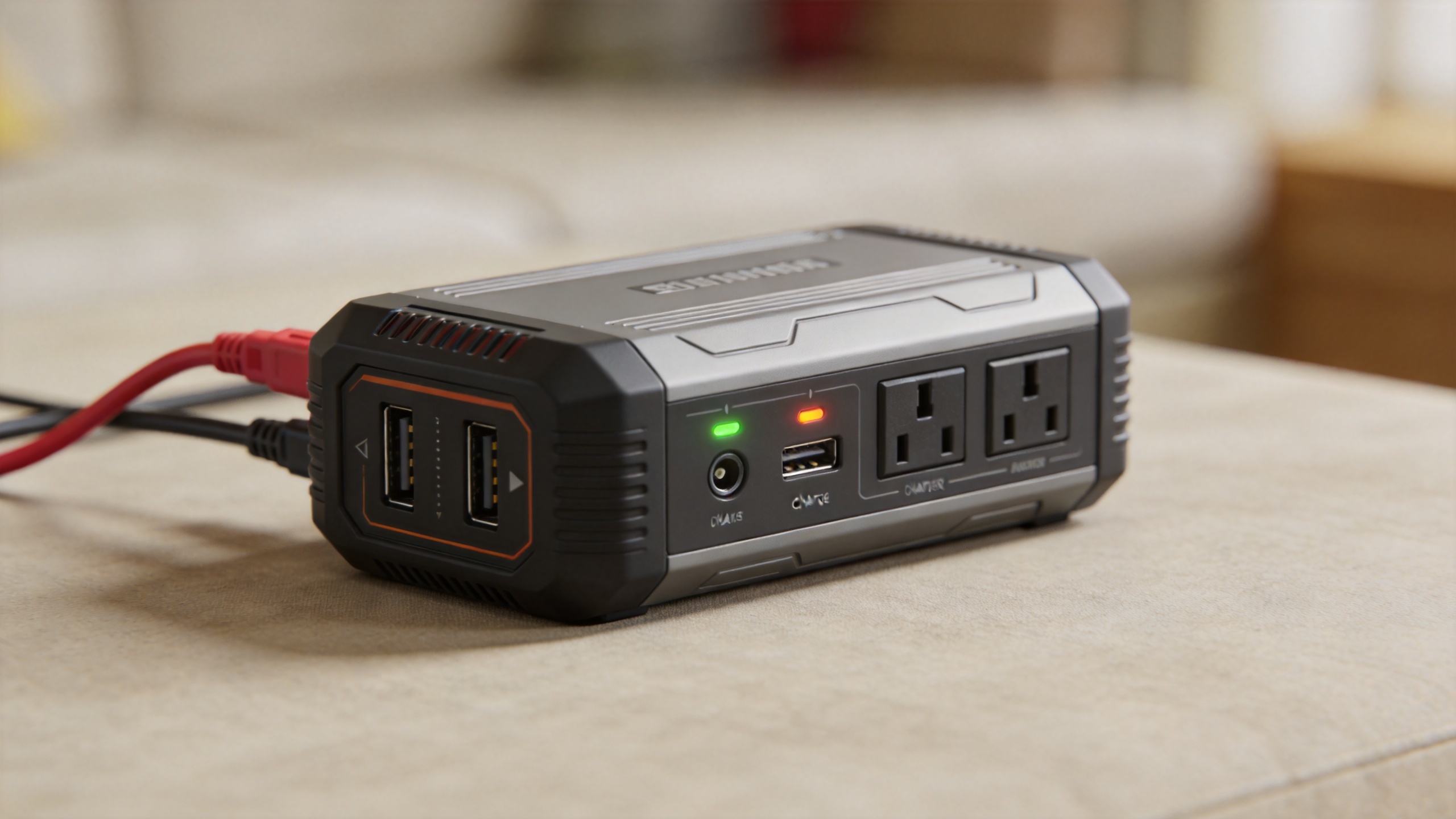
Finding a reliable jump starter is no longer just about picking the cheapest option on the shelf; it is about matching your vehicle’s electrical demands with the right battery chemistry and safety features. By examining professional-grade portable jump pack reviews, you can identify which units offer the cranking power necessary to revive your engine without damaging sensitive modern electronics.
What to Look for in a Professional Jump Starter Pack: at a glance
When evaluating professional-grade gear, the primary metric is "cranking amps"—the amount of power the unit can deliver in a short burst to turn over a starter motor. Unlike older lead-acid jump boxes, modern lithium units like the NOCO Boost GB40 or the GOOLOO GP4000 prioritize high energy density, allowing them to be compact while still handling large displacement engines.
Beyond raw power, you must consider safety architecture. A professional pack should include reverse polarity protection, spark-proof technology, and over-current protection. These features ensure that even if you accidentally touch the clamps together or connect them to the wrong terminals, the unit will not short-circuit or damage your vehicle’s ECU.
- Peak Amps vs. Cranking Amps: Peak amps are often marketing fluff; look for sustained cranking performance.
- Battery Chemistry: Lithium-ion is standard for portability, while lead-acid (like the Clore Automotive JNC660) remains a staple for shop environments.
- Build Quality: Look for reinforced casing and industrial-grade clamps that won’t snap under tension.
- Versatility: Does it offer USB-C charging for your phone or a 12V output for tools?
Head-to-head: Lithium vs. Lead-Acid
The debate between lithium and lead-acid jump starters is central to modern portable jump pack reviews. Lithium units have dominated the market due to their lightweight nature and ability to hold a charge for months, making them perfect for trunk storage. The NOCO Boost X GBX55 exemplifies this, offering rapid charging and high-output performance in a package that fits under most seats.
Conversely, traditional lead-acid starters, such as the Clore Automotive JNC770R, are favored by professionals who need to jump-start multiple vehicles back-to-back in a shop setting. These units are heavy and require regular maintenance (recharging every few months), but they provide a consistent, high-amperage output that doesn't suffer from the same thermal limitations as lithium batteries during a long cranking session.
- Lithium Pros: Lightweight, compact, holds charge for 6-12 months, fast recharge.
- Lithium Cons: Sensitive to extreme cold; may require "pre-heating" in sub-zero temperatures.
- Lead-Acid Pros: Massive sustained power, durable, no thermal throttling, ideal for repeated use.
- Lead-Acid Cons: heavy, bulky, requires constant maintenance charging.
Pricing and Value Considerations
Pricing for jump starters varies wildly based on capacity and brand reputation. Entry-level units like the AstroAI S8 Ultra provide excellent value for the average commuter, offering enough power for standard gas engines without the professional-grade price tag. When you move into the mid-range, products like the GOOLOO GT4000 Arctic are specifically designed to overcome the cold-weather performance issues that plague cheaper lithium packs.
At the top end, you are paying for reliability and longevity. Professional-grade units like the NOCO Boost Max GB250 are expensive, but they are designed to jump-start heavy-duty diesel engines and large commercial vehicles. When reading portable jump pack reviews, consider the "cost-per-jump." A $50 unit that fails after a year is more expensive than a $300 unit that lasts for a decade of service.
- Entry-Level ($50-$100): Best for sedans and small SUVs; occasional use.
- Mid-Range ($100-$200): Features better build quality, weather resistance, and higher capacity.
- Professional ($200+): Industrial-grade components, massive cranking power, and long-term durability.
Who Should Pick Which
Identifying your specific needs is the most important step in the buying process. If you are a daily commuter driving a standard sedan, the Primedura DM1264 is an excellent, reliable choice that won't take up much room. However, if you are an off-road enthusiast or operate a fleet of trucks, you need something with significantly more headroom.
For those dealing with heavy-duty equipment, the NOCO Boost X GBX155 is a powerhouse that bridges the gap between portability and massive cranking capability. If you are a shop owner, you should stick to the Clore Automotive JNC660 for its proven track record in professional environments.
- The Daily Driver: Look for compact lithium units with built-in LED lights.
- The Overlander/Adventurer: Prioritize rugged construction and cold-weather performance.
- The Shop Mechanic: Stick to heavy-duty lead-acid units for high-frequency use.
Understanding Cold-Weather Performance
One of the most critical aspects often overlooked in portable jump pack reviews is how these devices handle freezing temperatures. Lithium batteries naturally lose voltage and internal resistance increases when it is cold, which is exactly when you are most likely to need a jump start. Some modern units, like the GOOLOO GT4000 Arctic, use specialized battery heaters to ensure they can provide enough current to turn over a frozen engine.
If you live in a climate where temperatures regularly drop below freezing, do not buy a generic lithium pack without verifying its cold-start rating. A unit that works perfectly in the summer may fail completely in January. Always keep your jump starter in the cabin rather than the trunk if it is extremely cold outside, as a warmer battery is a more efficient battery.
- Pre-heating: Some high-end units have internal heaters that activate automatically.
- Insulation: Keep the unit in a carry case to retain internal heat.
- Rating: Look for "Arctic" or "Cold-Start" designations in the product specs.
Safety Features: The Non-Negotiables
Modern jump starters are far safer than the jumper cables of the past, but only if you choose a unit with robust safety protocols. Never buy a unit that lacks reverse polarity protection. This feature prevents the jump starter from sending power if the clamps are connected to the wrong terminals, saving your vehicle’s battery and the jump starter itself.
Furthermore, look for spark-proof technology. When you connect a jump starter to a dead battery, there is often a small arc. Spark-proof clamps ensure that this arc doesn't ignite any flammable gases that might be venting from a damaged or lead-acid battery. The NOCO Boost GB70 is widely respected for its comprehensive safety suite, which makes it an excellent choice for users who are not comfortable with traditional mechanical jump-starting.
- Reverse Polarity Protection: A must-have for every user.
- Spark-Proof Clamps: Essential for safety near battery terminals.
- Over-Charge/Over-Discharge Protection: Extends the life of the internal battery.
The Role of USB and Accessory Ports
Many modern jump starters are essentially oversized power banks. While their primary job is to start your car, the ability to charge your phone, tablet, or laptop is a massive benefit during a roadside emergency. Units like the NOCO Boost GB150 offer high-speed USB charging, which can be a lifesaver if your phone dies while you are stranded.
However, be wary of units that prioritize "gadget" features over "cranking" features. A jump starter with a built-in air compressor, like those discussed in The Ultimate Guide to Portable Jump Starters with Air Compressors, is incredibly convenient, but ensure the battery capacity is sufficient to handle both the pump and the engine start.
- USB-C Power Delivery: Essential for fast-charging modern mobile devices.
- 12V DC Port: Useful for powering portable tire inflators or work lights.
- Efficiency: Ensure the jump starter function is not compromised by the inclusion of secondary ports.
Maintenance and Longevity
Even the best professional jump starter will fail if it isn't maintained properly. Lead-acid units require a full charge every 3 to 6 months, even if they haven't been used. If you leave a lead-acid unit in a discharged state, the battery will sulfate and lose its capacity permanently.
Lithium units are more forgiving but should still be topped off at least twice a year. Always store your jump starter in a cool, dry place. Extreme heat is the enemy of lithium-ion batteries, so avoid leaving your unit in direct sunlight on a dashboard. If you follow these simple steps, a quality unit like the NOCO Boost X GBX55 can last for many years of reliable service.
- Storage: Keep away from direct heat sources.
- Charging Cycles: Do not let the unit sit at 0% for extended periods.
- Inspection: Check the clamps for corrosion or fraying wires every few months.
Comparing the NOCO Boost Lineup
The NOCO ecosystem is vast, and choosing the right one can be confusing. The NOCO Boost GB40 is the entry-level standard for most passenger cars. Moving up, the NOCO Boost GB70 offers more power for larger engines, while the NOCO Boost GB150 provides the jump-starting muscle required for heavy-duty trucks and large diesel engines.
The newer "X" series, including the NOCO Boost X GBX55 and NOCO Boost X GBX155, introduces USB-C rapid charging and improved internal architecture. When looking at portable jump pack reviews, the "X" series is generally favored for its ability to charge from empty to usable power in a fraction of the time of the older models.
- GB40: Best for daily commuters and small engines.
- GB70/GB150: Proven, reliable workhorses for larger vehicles.
- GBX Series: Faster charging and updated safety protocols for modern users.
FAQ: Common Questions Answered
Can a portable jump starter damage my car's computer?
Yes, if you use a cheap, unregulated jump starter. Modern vehicles have sensitive ECUs that can be fried by voltage spikes. Always use a jump starter with built-in surge protection and reverse polarity protection, such as those from the NOCO Boost or GOOLOO lines.
How often should I recharge my jump starter?
For lead-acid units, every 3 months is mandatory. For lithium-ion units, every 6 months is recommended to ensure the battery remains healthy and ready for an emergency.
Can I leave my jump starter in the car during summer?
Extreme heat is bad for any battery. While lithium units are more resilient than lead-acid, you should avoid leaving them in direct sunlight or in a vehicle where the internal temperature exceeds 120°F for long periods, as this can degrade the battery cells.
What happens if I connect the clamps backward?
If you are using a professional-grade unit with reverse polarity protection, absolutely nothing will happen. The unit will detect the error and refuse to send power. If you are using a cheap, unprotected unit, you risk causing a massive short circuit, damaging the jump starter, and potentially blowing a fuse in your car.
Are jump starters with air compressors worth it?
They are excellent for convenience, but they add bulk and complexity. If you have limited space, a dedicated jump starter and a separate, compact tire inflator are often a better choice. Check out Are Portable Jump Starter Air Compressor Combos Worth It? for a deeper dive.
Verdict
Selecting the right jump starter comes down to balancing your vehicle's engine size against your storage space and budget. For most drivers, the NOCO Boost GB40 or AstroAI S8 Ultra will be more than sufficient. If you drive a larger vehicle or live in a cold climate, the GOOLOO GT4000 Arctic or NOCO Boost X GBX55 provides the necessary power and reliability to ensure you are never left stranded. Always prioritize safety features over flashy extras, and remember that a well-maintained battery is your best insurance policy on the road. For further reading, check out our comprehensive list of The Best Portable Jump Starters for 2026 to see how these models stack up against the latest competition.